Services

Three divisions, one hand-off: none.

Pre-production engineering and on-site precision tooling have been the backbone of Protoplast since 1981. Molding and finishing grew around them. Here is what each division actually does.

Sheet 03 / 12
Divisions 01–03

DIV 01

Precision tooling & pre-production engineering

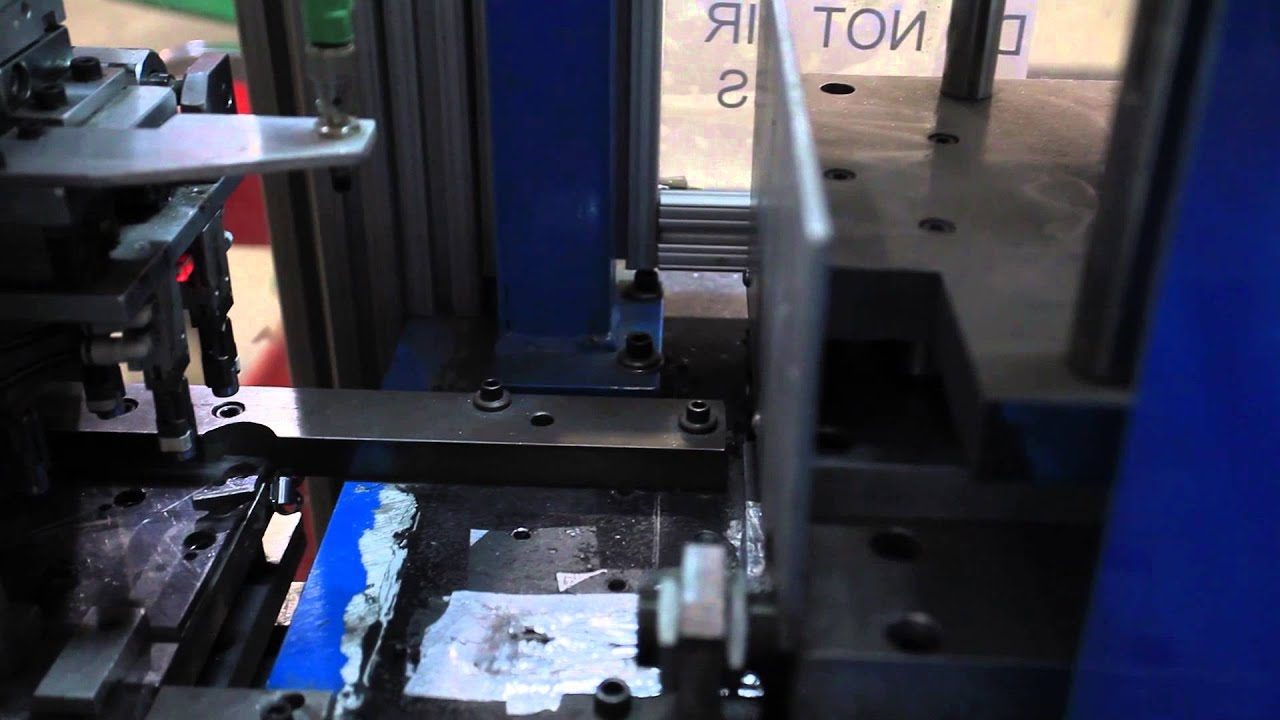
The tool shop builds injection molds around the best steel for the job — QC-10, P20, SP300, H13 or Moldmax, chosen by part complexity, resin and volume. CNC machining centres with programmable tool changers are programmed by day and run lights-out at night, so no production hour is wasted.

An automatic mold with integrated robotics and an aluminum prototype mold with hand-loaded inserts come out of the same room, from the same certified trades and engineers.

Offshore tooling, when it makes sense for the budget, ships in "green" and is finished on-site to Protoplast's standards — backed by their no-cost maintenance guarantee.
Inside the Protoplast tooling division, from their own video
Tooling division — from their video

DIV 02

Custom injection molding

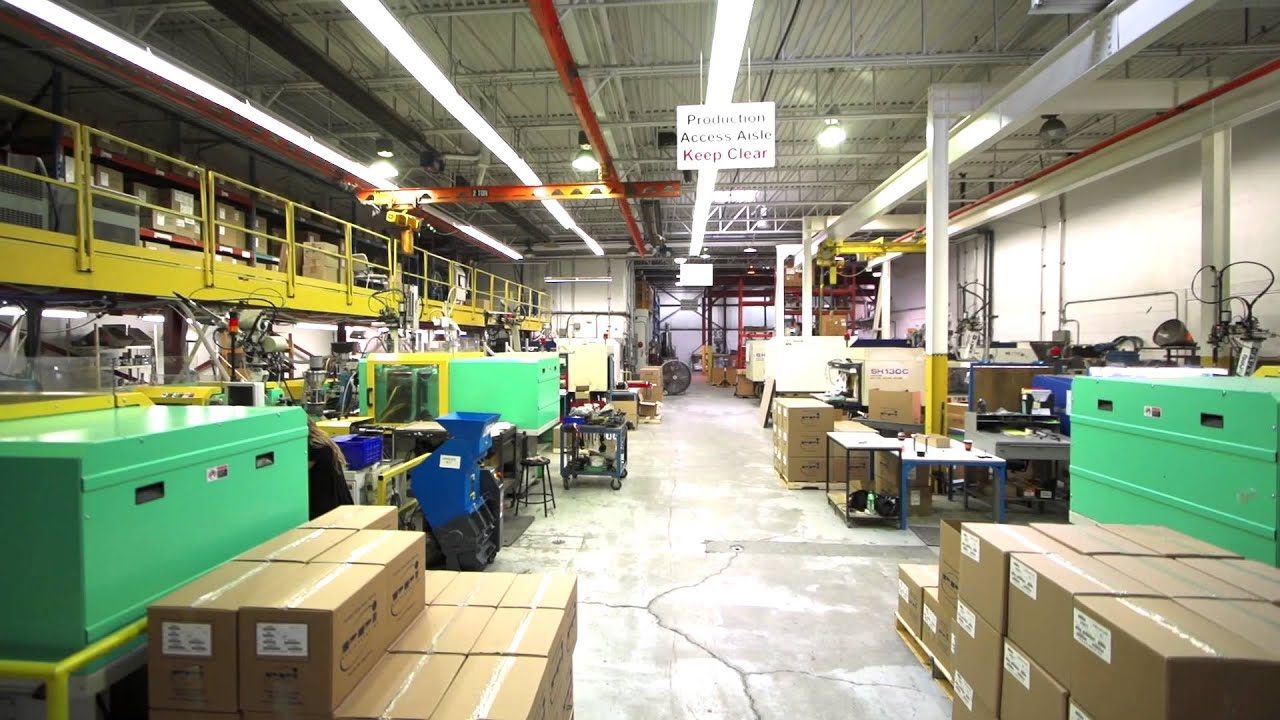
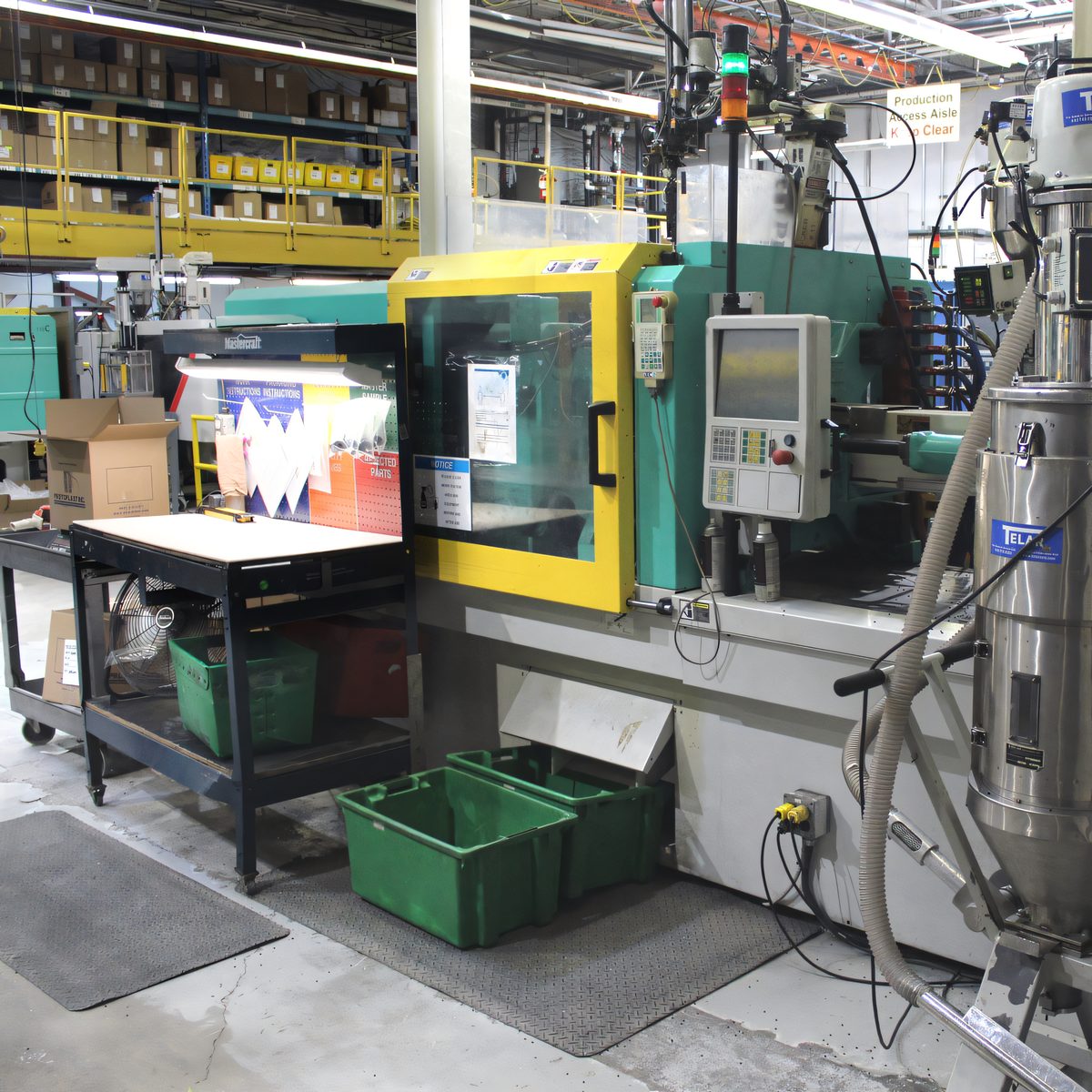
16 machines from 38 to 600 tonnes of clamping force cover straight injection, over-molding, two-component molding and injection blow molding. The presses run fully automatic — many upgraded to high-efficiency electric — with operator stations doing light assembly and finishing on cycle.

Real-time monitoring and in-process vision systems catch drift early, cutting scrap cost well before a molded part ever reaches operator inspection, assembly or packaging.

Arburg injection molding press on the Protoplast floor
Arburg press — molding floor

DIV 03

Secondary operations, in-house

Value-added work happens press side, on cycle, or in dedicated work cells a few metres away. Five operations, none of them subcontracted:

Secondary operations cell at Protoplast, from their own video
Secondary operations — from their video
  1. CNC plastic removal

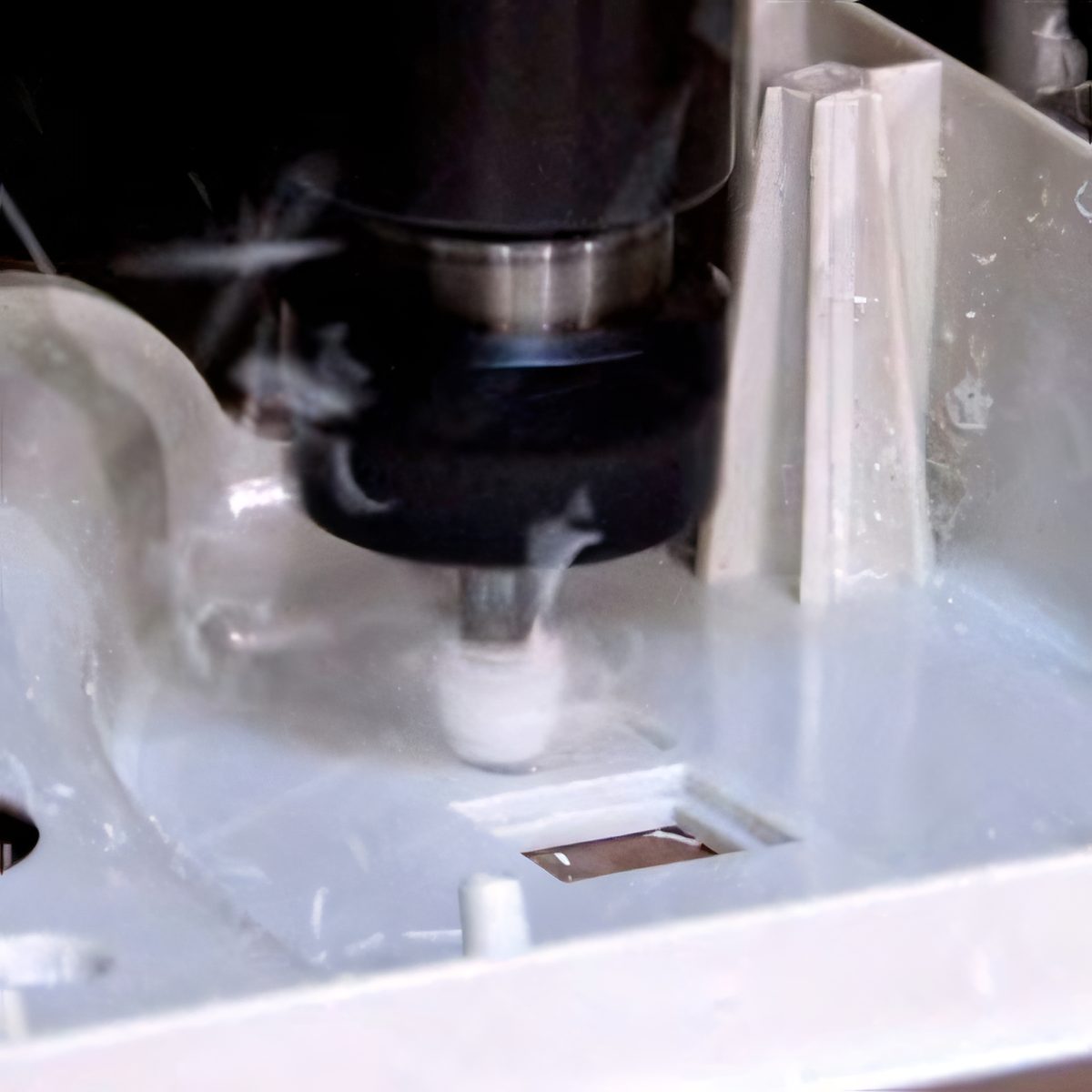
    Machining molded parts trims tooling cost on short runs and speeds engineering changes — three versions of one housing, cut from a single molded part.

  2. Ultrasonic welding

    Two parts welded by high-frequency vibration into a water-tight seal — no fasteners, no snap features.

  3. Heat-stake threaded inserts

    Heated brass inserts pressed into molded holes give a threaded joint far stronger than plastic threads.

  4. Pad printing

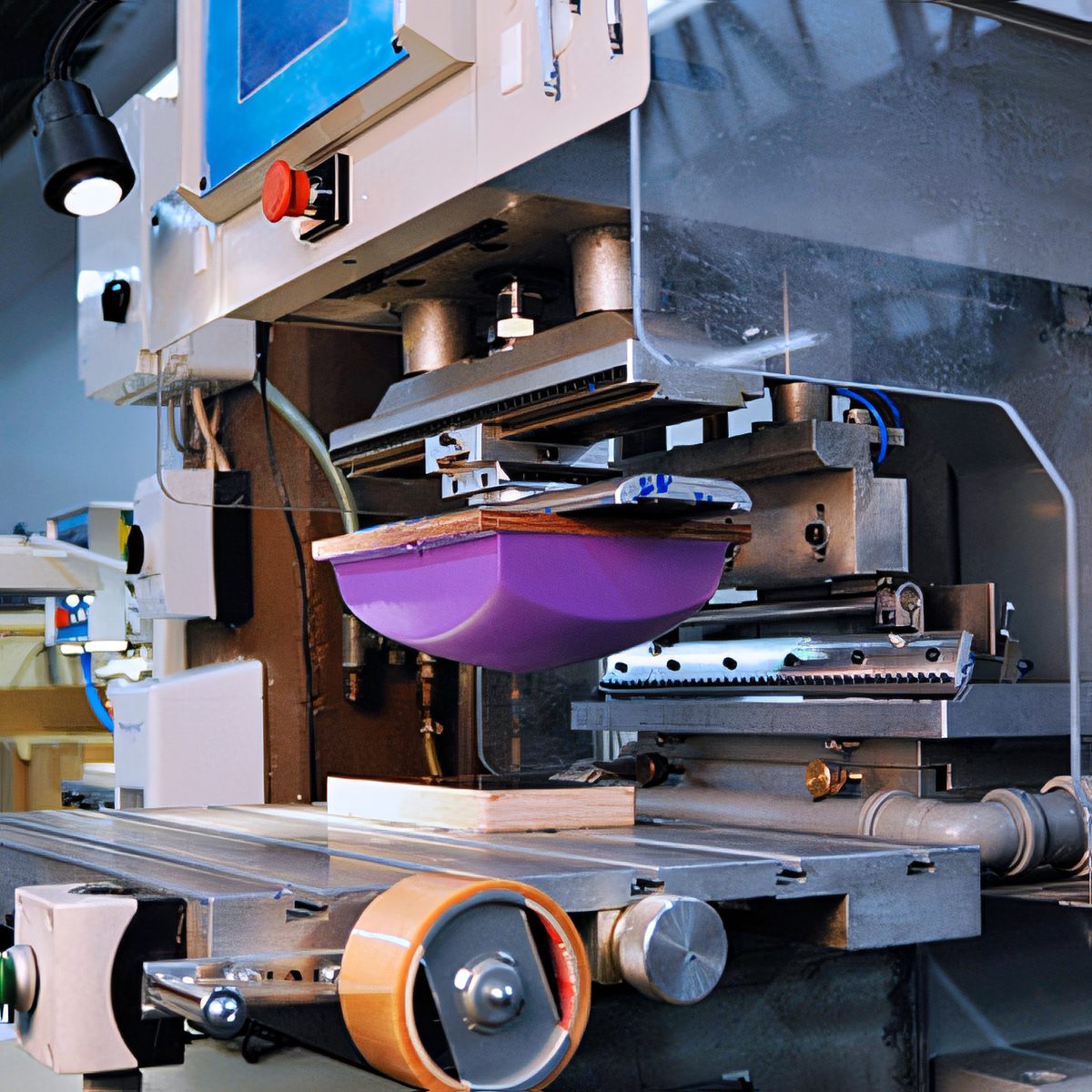
    Logos, labels and buttons printed onto irregular, contoured surfaces a flat press could never reach.

  5. Assembly division

    Launched in 2012: 7,500 sq ft of robotic cells and manual assembly, with tooling and maintenance next door for fixtures, calibrations and rapid repairs.

CNC machining of a molded plastic part at Protoplast
Plastic removal by CNC
Pad printing station transferring ink onto a molded part
Pad printing, in-house

Scope a program

One division or all three. Priced as one job.

Tell the team what the part does and where it ships. They'll tell you which divisions it needs.

(905) 372-6451 info@protoplast.com 210 Willmott Street, Unit #2, Cobourg, ON K9A 4K8